How EAP Counselling Supports Employee Health and Productivity

What is an Employee Assistance Program (EAP)?

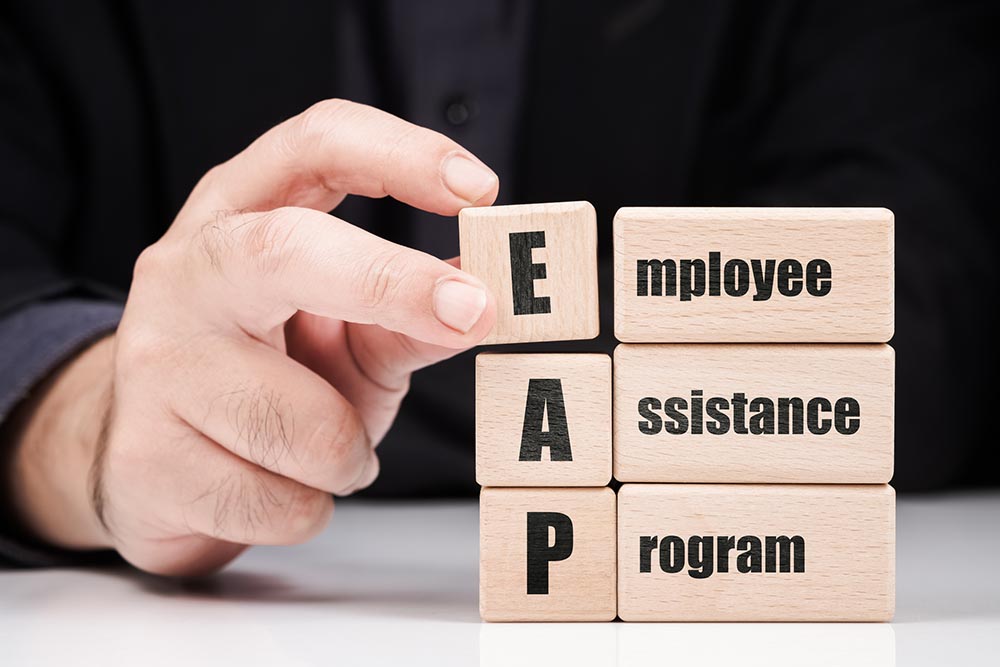
An Employee Assistance Program (EAP) is a confidential support service offered by employers to help their employees navigate personal and professional challenges. These programs provide employees with a limited number of 1:1 sessions to access trained mental health professionals to address issues that are impacting their wellbeing, job performance or overall productivity.

EAP counselling is designed to support your employees by offering guidance on a wide range of concerns including:

  • Mental health challenges such as stress, anxiety or depression
  • Workplace conflicts between team members that affect team dynamics
  • Personal issues such as family matters, financial stress or grief

These programs are a proactive approach to support a healthier, more resilient team, benefiting both employers and their employees.

The Benefits of EAP Counselling for Employees

While there are different types of EAPs available for workplaces, a tailored, effective EAP can have a significant impact on employee wellbeing with the following benefits:

Stress Reduction

Workplace pressures can lead to stress that impacts an employee’s ability to focus and perform. EAP counselling provides employees with tools to manage stress, helping them approach their work with more clarity and confidence.

Mental Health Support

Access to professional counselling means that employees can address mental health challenges early, preventing small issues from becoming much bigger issues. This proactive support encourages a culture of openness and care within the organisation.

Improved Life-Work Balance

When employees feel supported in managing personal and professional challenges, they are better equipped to maintain a healthy life-work balance, improving satisfaction and productivity.

Barriers to EAP Uptake and How to Overcome Them

Despite the proven benefits of EAP counselling since their first use in Australia in the 1970s, many organisations face challenges when it comes to encouraging employees to use these programs. Here’s some of the more common barriers and how to overcome them:

BARRIERSOLUTION
Lack of awareness: Some employees simply don’t know that their organisation offers an EAP or how to access it. Regularly promote EAP availability through emails, team meetings, posts and internal intranet platforms. Remind employees that confidential use of this service is guaranteed as the EAP service is external to the organisation.
Fear of stigma: Employees may be worried that using an EAP will be seen as a sign of weakness. They may fear this will impact how they are perceived professionally. Normalise EAP usage by discussing its benefits openly in workplace communications. Also remind employees that everyone experiences challenges in their lives at different times and that it’s ok to ask for help.
Limited relevance: Some employees believe that EAPs are only relevant during a crisis and not for everyday challenges. Emphasise that EAPs provide comprehensive services that address a wide range of issues, from financial stress and career guidance, to personal development and relationship challenges. It’s not just about work.
Concerns about confidentiality: Because EAPs are available as part of their employment, employees may be concerned that their conversations with an EAP counsellor could be shared with their employer. Clearly communicate the confidentiality policy of your EAP, so employees understand that their sessions are confidential and secure, while also being held off-site for added privacy.

By addressing these barriers, organisations can create a workplace culture where seeking support is seen as a strength, not a weakness.

Why Use The Healing Centre of Australia for EAP Counselling?

At The Healing Centre of Australia, we offer evidence-based, professional EAP counselling services tailored to your corporate needs. With over 15 years of clinical experience in mental health and a focus on holistic wellbeing, we provide a comprehensive approach to supporting employees’ mental, emotional and professional health.

Our counselling services are designed to:

  • Help employees manage stress and challenges effectively
  • Create resilience and emotional balance
  • Improve workplace dynamics and team cohesion

So, whether your organisation is looking to implement an EAP for the first time or to enhance an existing program, we’re here to support your team’s health and productivity—every step of the way.


Click here for more information about how we can help your organisation

How Leaders Can Manage Workplace Stress for Themselves and Their Teams

Why Managing Workplace Stress is Critical for Leaders

As a leader, your responsibilities go beyond your personal workload. You’re also accountable for your team’s productivity, morale and wellbeing. This dual responsibility means stress can accumulate faster, leaving you at risk of burnout if not managed effectively.

Unchecked stress can impact your ability to make decisions, communicate effectively and lead with clarity. Additionally, your leadership sets the tone for workplace culture, meaning how you handle stress directly influences your team’s resilience and performance.

By focusing on strategies specifically for leaders, you can learn how to handle a stressful job while supporting your team in creating a balanced and productive workforce.

How to Handle Stress at Work as a Leader

Managing your stress as a leader requires more than just a quick fix. It’s about building habits and frameworks that support long-term resilience. Here are some leadership strategies to help you manage stress more effectively:

Develop Self-Awareness

Strong leadership begins with understanding your triggers and stress responses. Regularly reflect on what creates stress for you—whether it’s decision fatigue, unclear priorities or interpersonal challenges. Then, take proactive steps to address these areas.

Prioritise Time for Strategic Thinking

As a leader, you’re always being pulled into the day-to-day demands of the workplace, often neglecting your own work and strategic planning, which can add to your stress over time. By blocking out regular time for big-picture thinking, you can focus on your priorities, without distractions.

Set Boundaries and Delegate Effectively

Trying to handle everything yourself is a fast track to burnout. Delegate tasks to your team, ensuring their responsibilities match their skills. Setting clear boundaries for when you’re “on” and “off” work allows you to recharge, making you a more effective leader.

Build a Support Network

Leadership can feel really isolating at times, which is why having a reliable network of peers and mentors you can trust is crucial. They can offer guidance, share insights and help you to navigate any challenges. Professional coaching or Employee Assistance Programs (EAPs) can also offer valuable support by those who understand the demands of your job.

How Leaders Can Help Teams Manage Stress at Work

Leadership doesn’t stop at managing your own stress—you’re also responsible for creating an environment where your team feels supported. 

So, here’s how to be a stress-aware leader:

Model Healthy Stress Management

Your actions set the standard for your team. When you openly and actively prioritise self-care, set boundaries and take time to recharge, you encourage your team to do the same.

Communicate Openly and Frequently

Uncertainty and lack of communication are common stressors for employees. As a leader, make it your priority to share updates, clarify expectations and provide regular feedback to reduce unnecessary stress.

Actively Monitor Team Dynamics

Take the pulse on how your team is functioning. Look for signs of stress, such as reduced productivity or changes in behaviour, and address issues before they escalate. Regular one-on-one check-ins can provide insights into what your team needs.

Recognise and Manage Workloads

Your team’s capacity directly impacts their stress levels. Ensure workloads are reasonable and that priorities are communicated clearly. Encourage regular breaks and ensure that employees aren’t stretched too thin.

Leadership Strategies for Long-Term Stress Management

Sustainable leadership means creating habits and systems that protect your mental and emotional wellbeing, while supporting your team’s resilience. Here are some longer-term strategies:

Invest in Leadership Development

Participating in leadership training or wellness programs can equip you with tools to handle workplace stress more effectively. At The Healing Centre of Australia, we offer workshops and coaching designed to support leaders in managing stress and enhancing workplace wellbeing.

Foster a Culture of Resilience

Encourage your team to prioritise wellness by integrating stress management practices into the workplace. Ideas include wellness days or retreats, mindfulness and stress reduction workshops, sound healing sessions or gentle group reiki experiences to release tension and improve focus.

Celebrate Progress

Taking time to acknowledge achievements—both your own and your team’s—can boost morale and reduce stress. Recognition doesn’t need to be elaborate; even just a simple “thank you” can go a long way.

Be Proactive About Change

Change is a given in any organisation. There’s no way to avoid it. But stress often arises from uncertainty or poorly managed transitions. By anticipating challenges and planning ahead where you can, you can minimise the impact of workplace changes on yourself and your team.

Build Resilience With Support From The Healing Centre of Australia

At the Healing Centre of Australia, we understand the unique challenges leaders face in managing stress, both for themselves and their teams. Our tailored corporate wellness programs and leadership support offer evidence-based tools to help you navigate workplace stress with confidence and clarity.

From mindfulness workshops to one-on-one coaching, our services are designed to help leaders like you:

  • Build resilience and manage workplace demands
  • Foster a healthy, productive workplace culture
  • Navigate challenges with calm and confidence

Contact Us to Learn More About Stress Management for Leaders

10 Practical Tips for Coping with Workplace Stress

Understanding Workplace Stress and its Impact

Workplace stress is a common challenge for employees, regardless of industry. Whether caused by tight deadlines, heavy workloads or interpersonal dynamics, stress at work can affect your mental health, productivity and overall job satisfaction.

Recognising the causes of stress in the workplace is the first step to managing it effectively. Common workplace stressors include:

  • High-pressure tasks or unrealistic deadlines
  • Lack of clear communication or role expectations
  • Limited support from management or colleagues
  • Workplace conflicts or strained relationships between colleagues and management

The good news is that there are practical strategies you can adopt to manage these stressors and improve your overall wellbeing at work.

10 Practical Tips to Help You Cope with Workplace Stress

Use these simple tips to create a healthier, more balanced approach to your workday:

  1. Prioritise and Organise Your Tasks

    Start each day by listing and prioritising your tasks. Focus on high-priority items first and break large projects into smaller, more manageable steps. Clear organisation reduces overwhelm and gives you a clear path forward.
    Tip: Start each day by writing your to-do list.
  2. Set Boundaries Around Work Hours

    To prevent burnout, set clear boundaries around when you’re available for work-related tasks. Avoid answering emails or taking calls outside of your work hours whenever possible. This helps to protect your personal time and your mental health.
    Tip: Have clear times for answering work calls and emails.
  3. Take Regular Breaks

    Short breaks throughout the day can help you recharge and refocus. Step away from your desk, take a walk or practice some simple breathing techniques to clear your mind and give your body a chance to move and reset.
    Tip: Set a timer to grab a glass of water every 2 hours (and then drink it!)
  4. Practice Mindfulness and Relaxation Techniques

    Mindfulness practices, like meditation or deep breathing exercises can help you stay calm and centred. Even a few minutes of mindfulness during your workday can make a big difference in how you handle stress.
    Tip: Stop. Close your eyes. Take 3 deep breaths and wriggle your toes.
  5. Communicate Effectively

    Don’t hesitate to speak up if you’re feeling overwhelmed. Discuss your workload or concerns with your manager and ask them to clarify their expectations of you. Clear, open communication can lead to better support and solutions.
    Tip: Ask for help when you need it.
  6. Build Supportive Workplace Relationships

    Strong relationships with colleagues can make the workplace feel more positive and less stressful. Make an effort to connect with coworkers, share experiences and offer mutual support.
    Tip: On Monday mornings, ask a colleague how their weekend was.
  7. Focus on What You Can Control

    Stress often arises from situations beyond our control. Shift your focus to what you can influence, whether that’s your attitude, how you approach tasks, or how you manage your time.
    Tip: Turn up the corners of your mouth and smile—just because you can.
  8. Take Care of Your Physical Health

    A healthy body supports a healthy mind. Prioritise regular exercise (especially if you’re sitting at a desk all day!), a balanced diet and enough sleep. These habits help you manage stress and maintain energy throughout the day.
    Tip: Go for a 20 minute walk before dinner…or during your lunch break.
  9. Use Employee Support Resources

    If your workplace offers resources like an Employee Assistance Program (EAP), take advantage of their free support. These services provide confidential counselling and practical tools to help you cope with stress.
    Tip: Find out if your workplace offers EAP counselling. If not, ask them why.
  10. Reflect and Reassess

    Take time to reflect on your current work situation. Are there patterns or habits contributing to your stress? Identifying these can help you make adjustments to reduce stressors and improve your overall experience.
    Tip: Write a list of all the things that are stressing you out—then make a plan to manage just one of them.

Creating a Healthier Relationship with Work

The reality is that workplace stress is unavoidable at times—but it doesn’t need to take over your life. By using even some of these practical tips and focusing on your own wellbeing, you can navigate challenges with more ease and confidence.

At The Healing Centre of Australia, we offer resources and programs designed to support employees in managing workplace stress. Whether through individual counselling or stress management workshops, we’re here to help you create a healthier relationship with your job.


Contact Us to Learn More About Our Employee Support Services